
Physion's ElectroMotive Drug Administration technology offers a comprehensive and innovative treatment program for urinary bladder diseases.
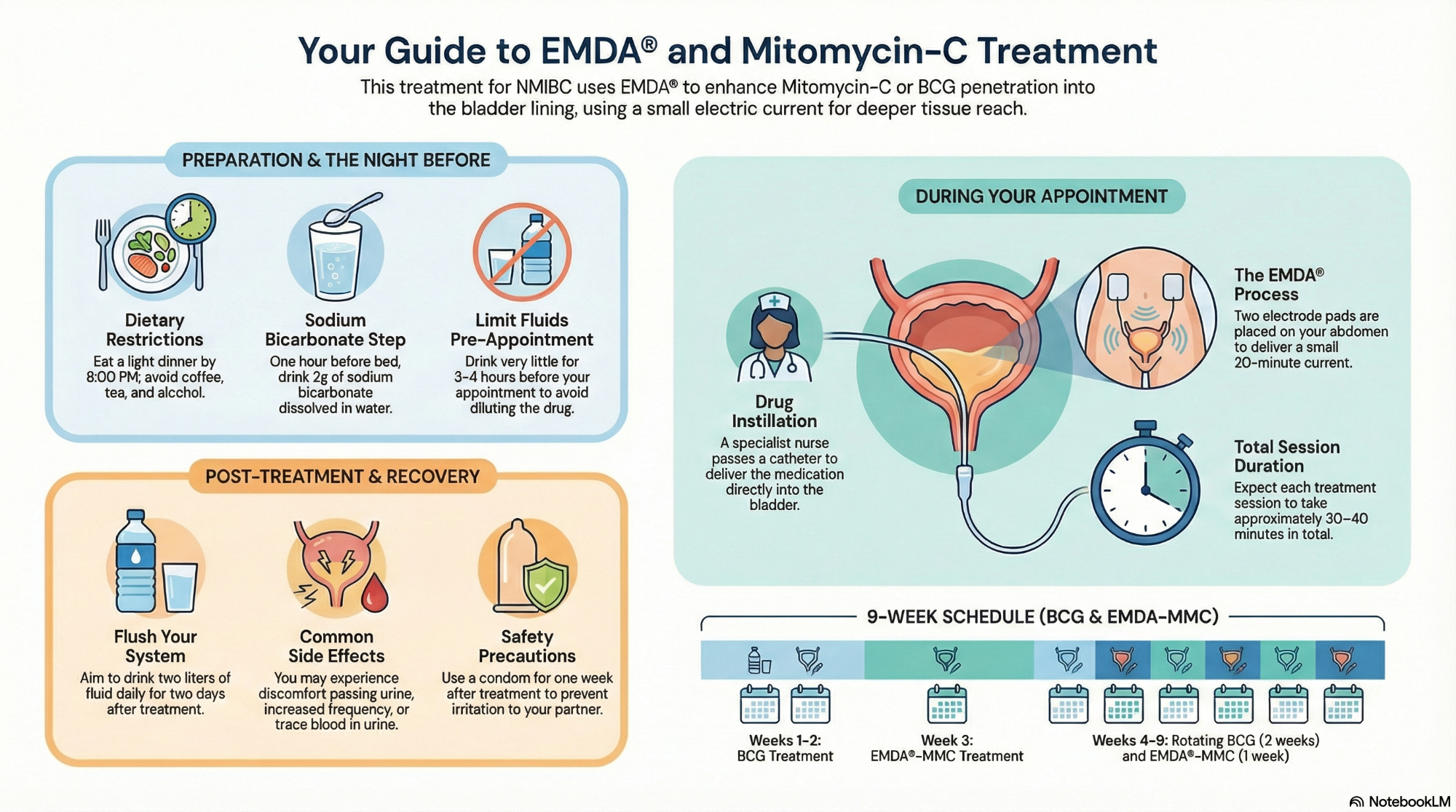
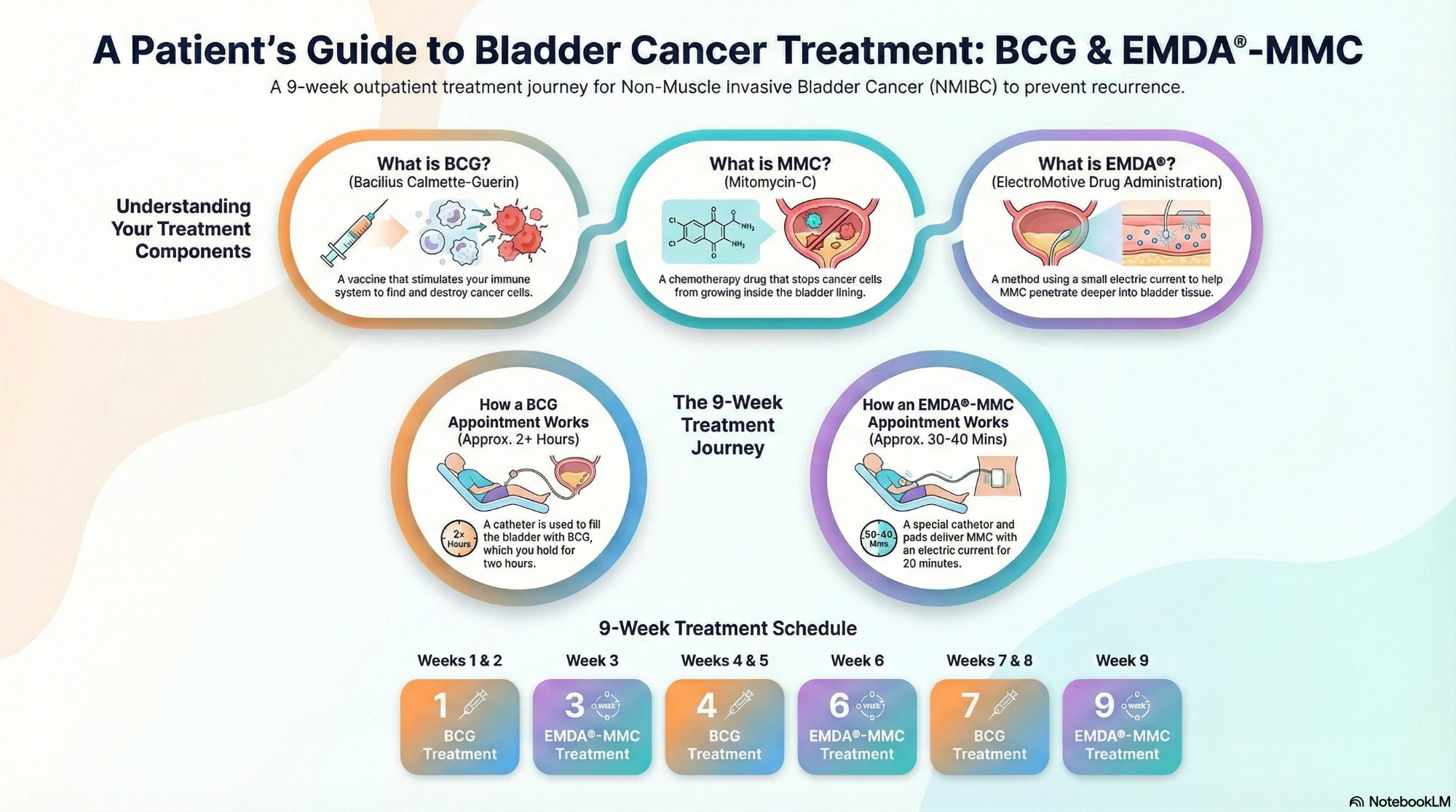
Electromotive Drug Administration (EMDA) for Non-Muscle-Invasive Bladder Cancer (NMIBC)
Non-Muscle-Invasive Bladder Cancer is one of the most common urological malignancies, characterised by a high recurrence rate that places a significant and ongoing burden on patients and NHS urology services alike. Effective intravesical therapy is central to reducing recurrence and delaying progression — yet the clinical efficacy of conventional passive instillation is limited by poor drug penetration into the bladder wall.
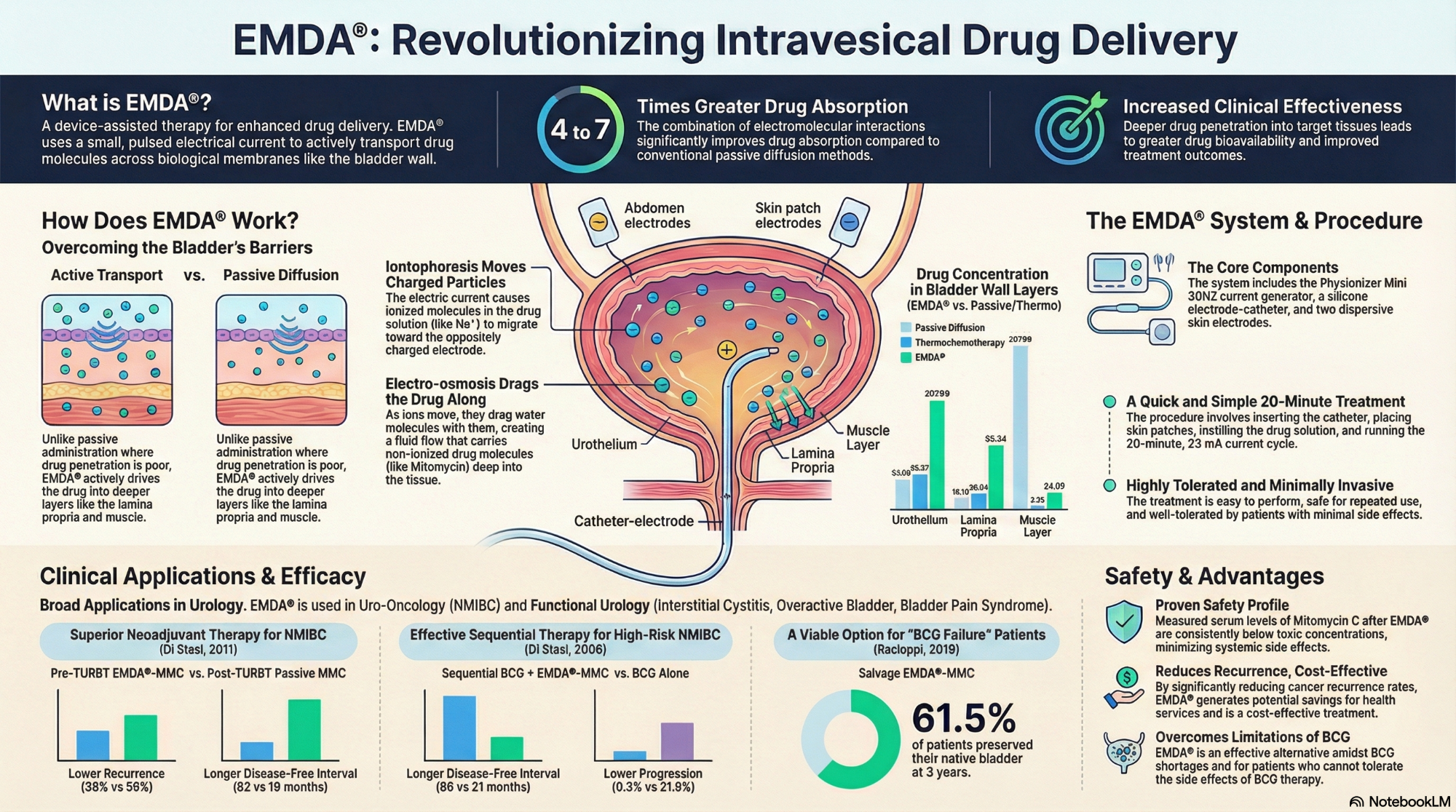
The Physion EMDA® system addresses this directly. By applying a low-intensity electrical current through the bladder mucosa, EMDA drives chemotherapeutic agents — most commonly Mitomycin C — deep into the urothelium, achieving tissue drug concentrations several times higher than those achieved by passive instillation alone. The result is a clinically meaningful improvement in recurrence-free survival, supported by peer-reviewed evidence including prospective randomised controlled trials.
EMDA is non-surgical, well tolerated, and delivered in an outpatient setting, making it a practical and cost-effective addition to existing NHS NMIBC treatment pathways.
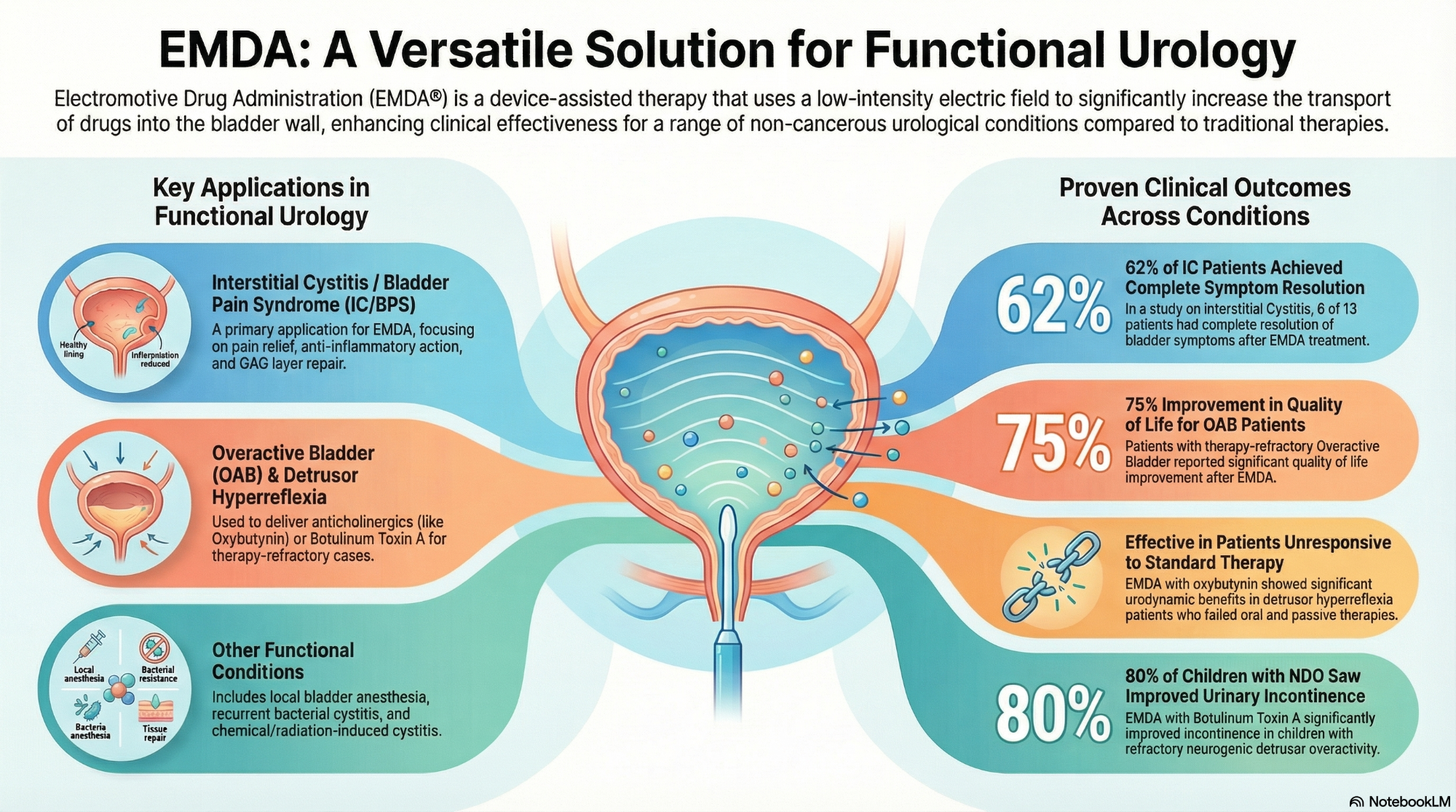
Electromotive Drug Administration (EMDA) for Functional Bladder Diseases
Functional bladder diseases — including Interstitial Cystitis (IC), Bladder Pain Syndrome (BPS), and Overactive Bladder (OAB) — represent a group of chronic, often debilitating conditions that significantly impact quality of life. Patients frequently experience refractory symptoms despite conventional oral or intravesical therapies, leaving a substantial unmet need for more effective drug delivery to the bladder wall.
The Physion EMDA® system offers a targeted, non-surgical solution. Using a controlled low-intensity electrical current, EMDA enhances the transmucosal absorption of therapeutic agents — including Oxybutynin, Hyaluronic Acid, and analgesic compounds — delivering drug concentrations into the urothelium and submucosa that passive instillation cannot achieve. This results in more effective symptom relief with a reduced systemic side-effect profile.
EMDA is well tolerated, painless, and administered in an outpatient setting. For patients who have failed first-line treatments, it offers a clinically meaningful and minimally invasive alternative before escalation to more invasive interventional or surgical options.
EMDA as an Alternative to Botulinum Toxin (Botox) in Bladder Dysfunction
Botulinum Toxin A (Botox) has become an established second-line treatment for Overactive Bladder, Interstitial Cystitis, and Bladder Pain Syndrome in patients who have failed conservative management. However, its use is associated with well-documented limitations — including the requirement for cystoscopic injection under anaesthesia, a significant risk of urinary retention requiring clean intermittent catheterisation, the need for repeat procedures every six to twelve months, and contraindications in patients on anticoagulant therapy or with neuromuscular disorders.
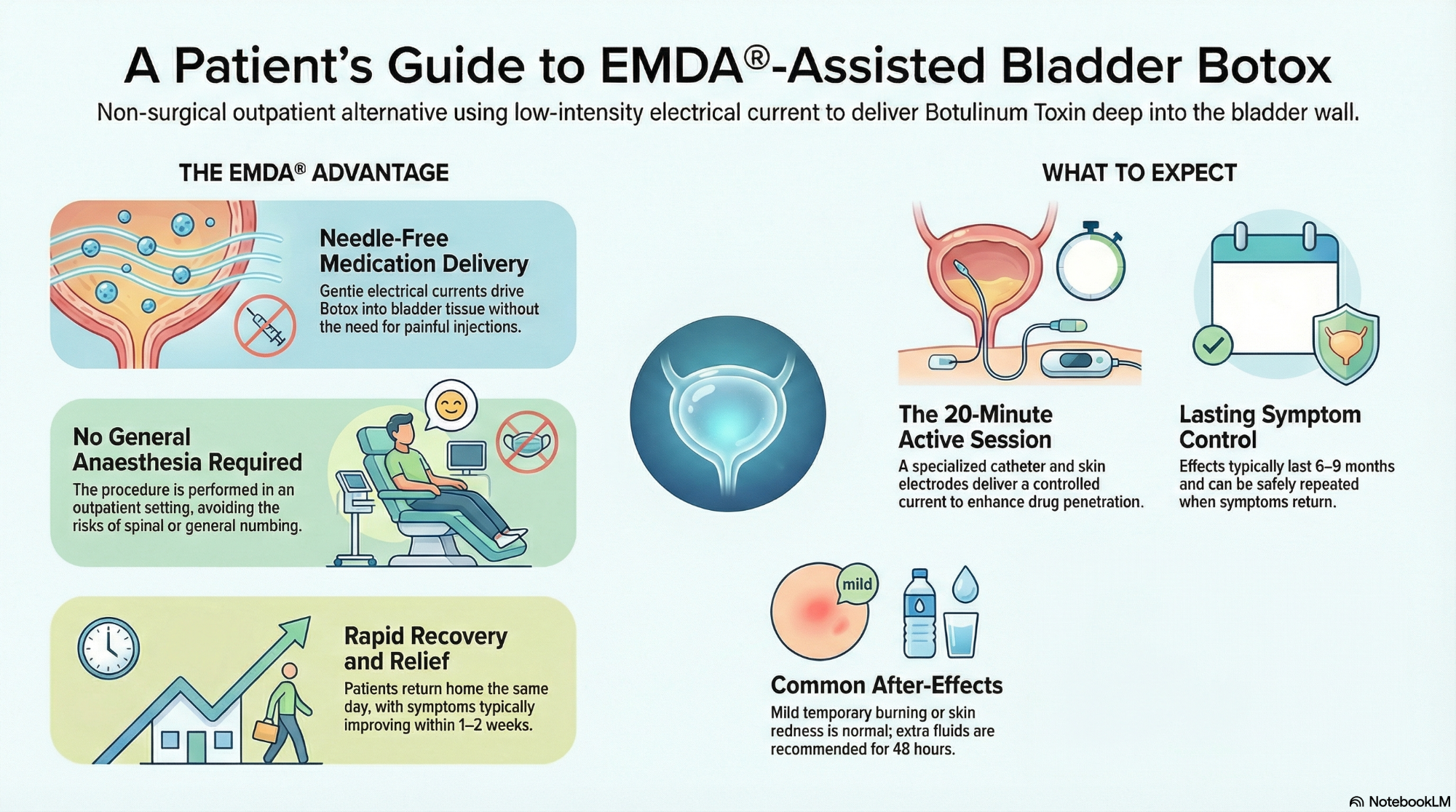
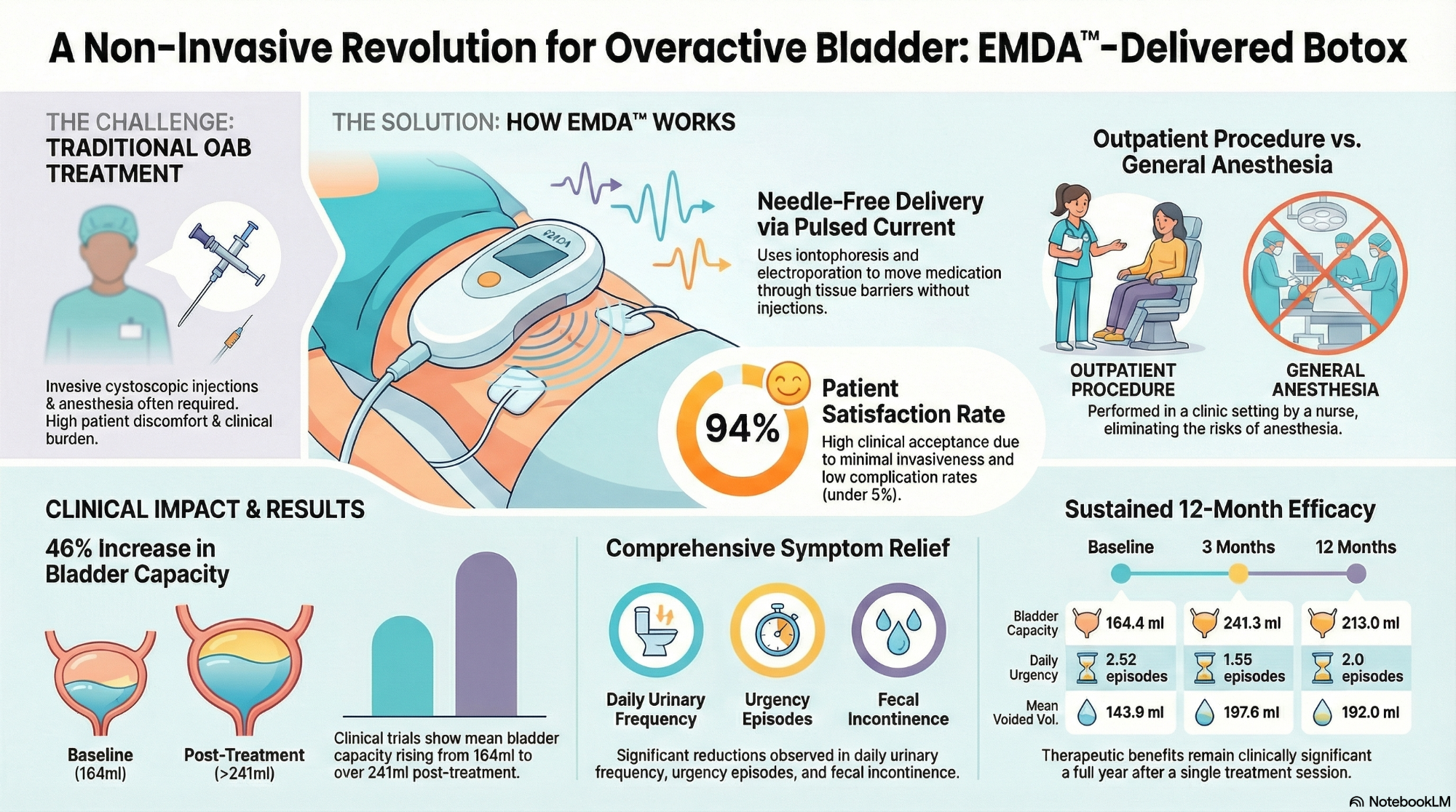
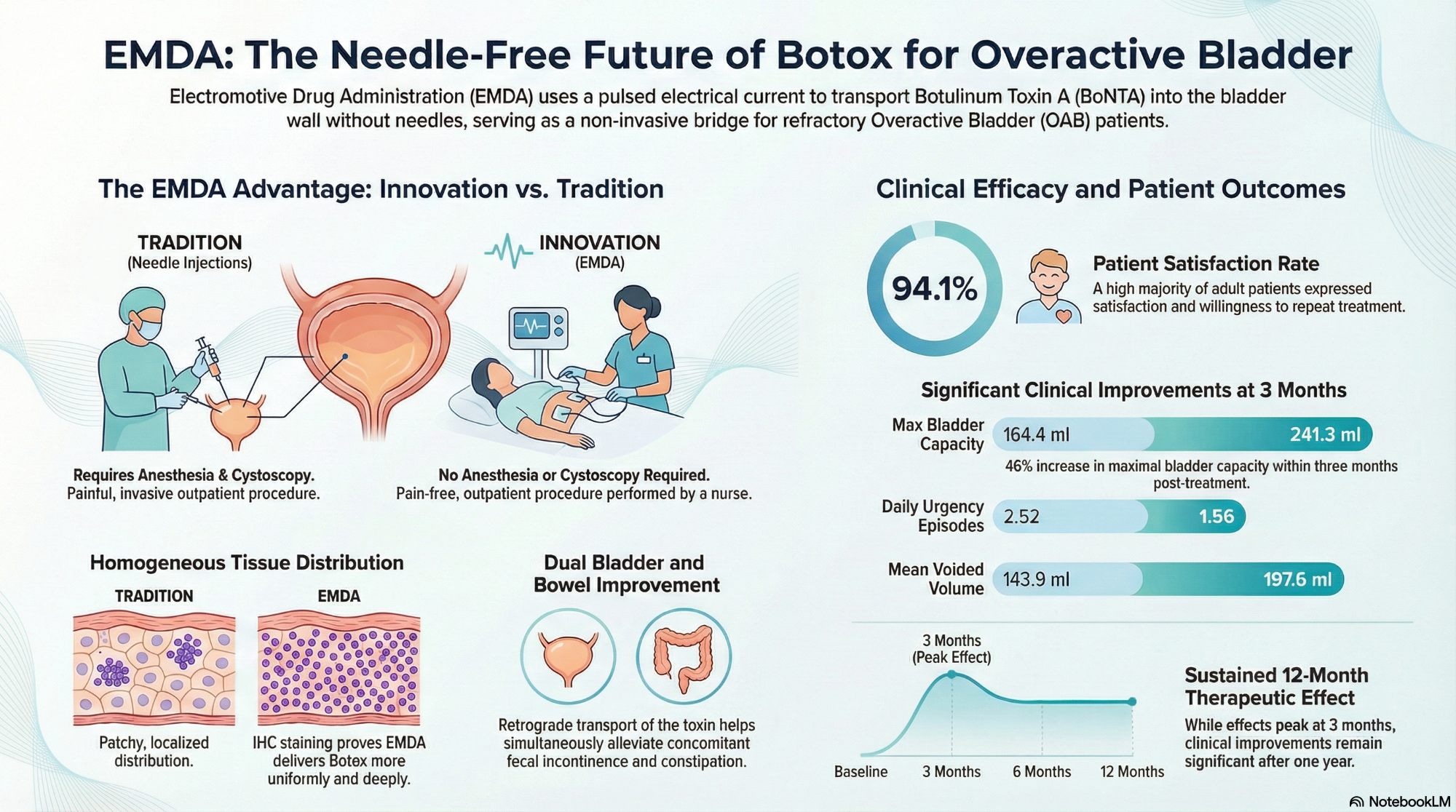
The Physion EMDA® system offers a compelling non-invasive alternative. By delivering therapeutic agents directly into the bladder wall through electromotive drug administration, EMDA achieves clinically effective tissue drug concentrations without the need for cystoscopy, anaesthesia, or injection. The procedure is painless, carries no risk of urinary retention, and is performed in a standard outpatient urology clinic without the scheduling and resource demands associated with theatre or procedure room-based Botox administration.
For NHS urology departments seeking to manage growing waiting lists, reduce procedure room dependency, and offer patients a well-tolerated and repeatable treatment option, EMDA represents a practical, evidence-supported, and cost-effective pathway — either as a direct alternative to Botox or as a bridging therapy in patients awaiting injection.